
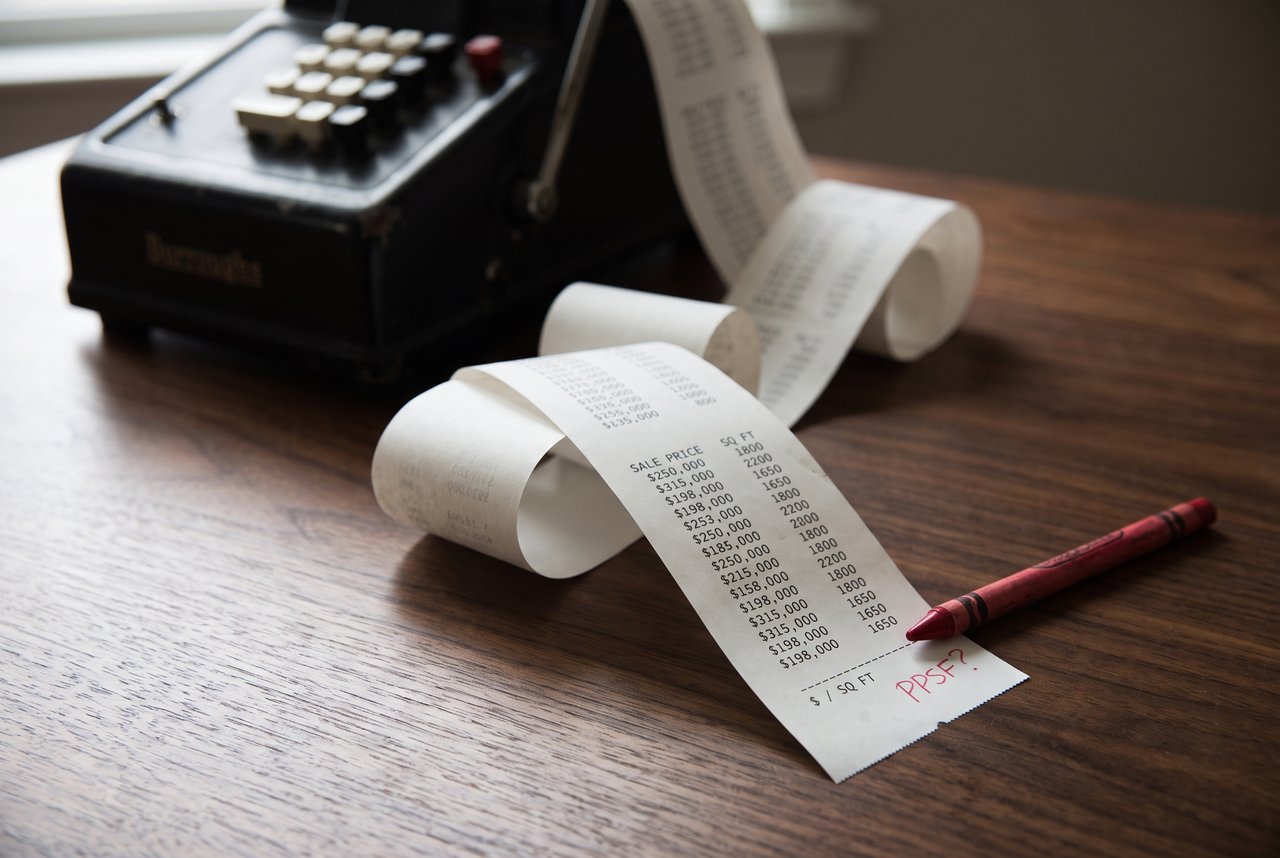
Price Per Square Foot Is Only a Starting Point
Price per square foot is one of the most common ways to compare homes. Divide the sale price by the square footage and you have a single number that makes one sale easy to compare with another. We use it too, but it is important to understand its limitations. On its own, price per square foot can overlook meaningful differences between properties and make two homes appear more comparable than they really are. A buyer might see that one home sold for $1,200 per square foot and another nearby sold for $1,800 and conclude the first was the better value. A seller might multiply the neighborhood's average price per square foot by the size of their own home to estimate what it's worth.
The Interior Living Space Is Just One of Many Features That Contribute to Value
Consider two identical 3,400-square-foot homes on the same street. One sits on a 6,000-square-foot lot with little outdoor space. The other has a 9,000-square-foot lot with a pool, mature landscaping and a large yard. Their interiors are the same size, but buyers do not value them the same way. Views, privacy and street location have the same effect. A home on a quiet street may be valued differently from a similar home on a busy street, and a view can command a premium. Price per square foot folds all of these elements into one number without explaining why the values differ.
Not All Square Footage Is Equal
A well-designed 2,000-square-foot home may function better than a poorly designed 2,400-square-foot home. Long hallways, awkward additions and oversized rooms add to the reported square footage without necessarily making the house more desirable. Buyers may also value 500 square feet of family room opening to the backyard very differently from 500 square feet in a converted garage or lower-level rec room, even when all are legal and included in the reported square footage.
Condition and architecture matter too. Two homes can have similar square footage, lot sizes and locations, but one has been thoughtfully renovated while the other needs substantial work. Ceiling heights, natural light, proportions and materials all affect how buyers respond. As we discussed in Homes That Know Who They Are, some homes simply work better than others.
Even in the Same Building
Condos make the point particularly well because lot size is not a factor, and units often have the same floor plan. Two condos in the same building can have the same square footage and still have substantially different values based on floor height, exposure, views, condition and layout. A lower-floor unit facing another building may tell you relatively little about the value of a unit of the same size several floors higher with an open view.
Smaller Homes Carry a Higher Price Per Square Foot
A renovated 1,500-square-foot house in a desirable neighborhood can sell at a very high price per square foot, but that doesn't make a 3,000-square-foot house nearby worth twice as much. The land and location carry substantial value before any additional square footage is counted. There are exceptions, but as homes get larger, there is usually diminishing value per square foot. The difference between a 10,000-square-foot home and an 11,000-square-foot home may matter less to a buyer than the differences in views, architecture, interiors or how well the home functions. Additional square footage has value, but not necessarily at the same rate as the square footage that came before it.
A recent Santa Monica teardown and rebuild illustrates the point. A small home on 10th Street sold in 2021 for $2,380 per square foot. After it was torn down and replaced with a new 6,800-square-foot home, the property sold in 2025 for $1,645 per square foot. The total sale price increased by more than $8 million, while the price per square foot dropped by about 31%. In the first sale, much of the value was in the land and development potential, something price per square foot alone could not show.
When Price Per Square Foot Is Useful
Price per square foot is most useful when the properties being compared are quite similar. It can also be a useful starting point for understanding the general high and low range within a neighborhood, but only as a rough measure. Within a group of comparable homes, it can help identify when a sale falls outside that range. However, when two homes sell at very different prices per square foot, the useful question is often "why?". The reasons buyers paid more for one property, or discounted another, are the key to understanding value.
Your Trusted Advisors,
Peter and Tregg
Copyright © 2026 Peter Maurice and Tregg Rustad. All rights reserved. Unauthorized use, reproduction, or distribution of this content is prohibited.